Regional Oversight Variations Influencing Reward Allocation Patterns in Portable Reel and Table Game Ecosystems
Klara Walter · Sep 16, 2026
Regional Oversight Variations Influencing Reward Allocation Patterns in Portable Reel and Table Game Ecosystems
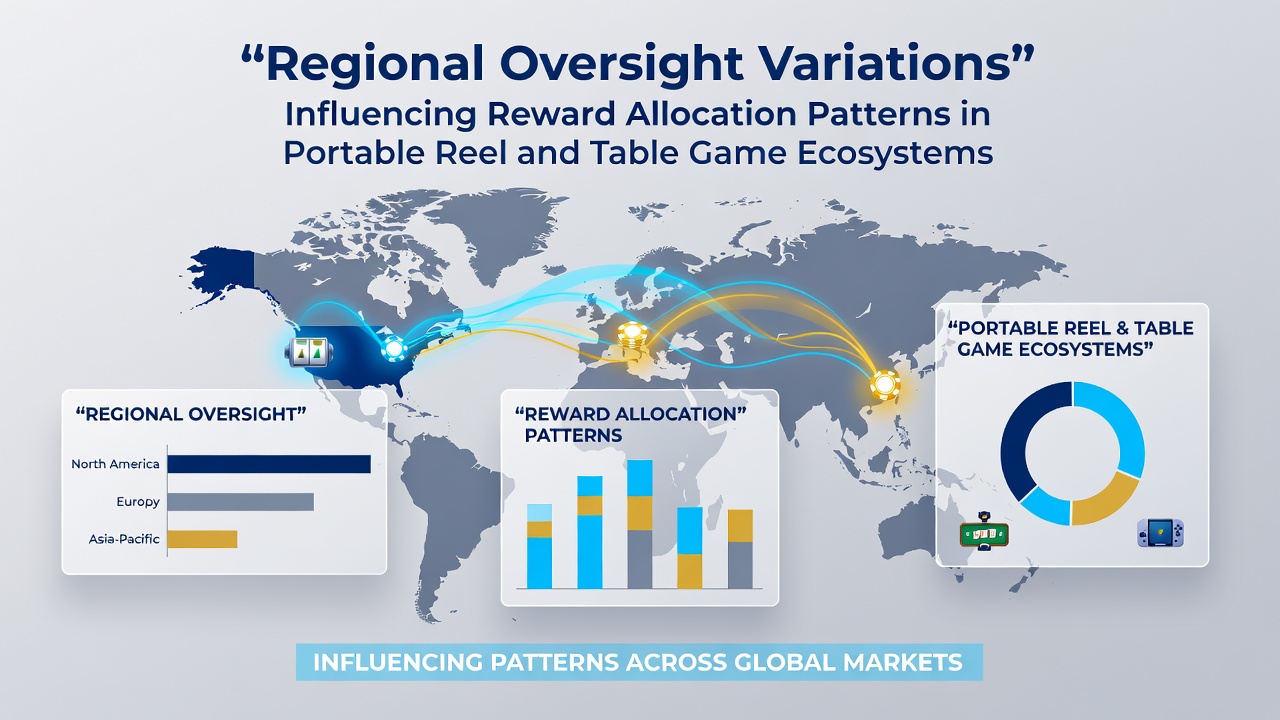
Regional oversight creates distinct frameworks that shape how operators distribute rewards across portable reel games and table game platforms, with each jurisdiction establishing rules that determine bonus structures, payout frequencies, and player incentive mechanisms. Data from multiple regulatory bodies shows that these differences arise because authorities apply varying standards for transparency, consumer protection, and market stability, leading operators to adjust reward allocation patterns accordingly. In practice, mobile slot ecosystems often see tighter caps on promotional credits in heavily regulated zones, whereas table game environments allow more flexibility in loyalty point distribution when oversight permits broader operator discretion.
North American State-Level Differences
State regulators in the United States apply distinct criteria that directly affect reward allocation for portable reel and table game products. The Nevada Gaming Control Board maintains standards that require operators to report bonus redemption rates monthly, which influences how frequently players receive free spins or table game match credits on mobile applications. Meanwhile, New Jersey Division of Gaming Enforcement data reveals that reward pools for progressive jackpots in reel games must maintain minimum contribution percentages that differ from neighboring states, prompting operators to reallocate promotional budgets toward table game variants where oversight allows higher retention rates. Observers note that these variations force developers to program region-specific reward engines that activate different bonus tiers based on user location detection.
European Regulatory Approaches
Across Europe, licensing authorities establish separate guidelines that alter reward distribution mechanics for both reel-based mobile titles and digital table games. Malta's regulatory framework, for instance, mandates that operators publish exact terms for cashback programs tied to table game activity, resulting in more predictable reward schedules for players who engage with blackjack or roulette sessions on portable devices. In contrast, the Swedish Gambling Authority enforces limits on bonus wagering requirements that apply uniformly to reel games, which has led several platforms to shift promotional focus toward loyalty tiers that reward consistent table game participation rather than high-volume slot play. Figures from industry reports indicate that these rules create measurable shifts in how operators structure daily login rewards and milestone bonuses across the two game categories.
Additional Jurisdictional Patterns
Other regions demonstrate further divergence in oversight that impacts reward allocation. Australian state commissions apply different taxation models on promotional spend, which affects how operators calculate the value of free-to-play credits distributed through mobile reel ecosystems versus table game environments. In Asia, Singapore's regulatory body requires detailed audits of reward redemption data that influence the frequency of table game comps offered to high-activity users on portable platforms. Researchers have documented that these oversight differences produce distinct patterns where operators in one jurisdiction emphasize volume-based reel rewards while those in another prioritize table game loyalty multipliers to remain compliant.
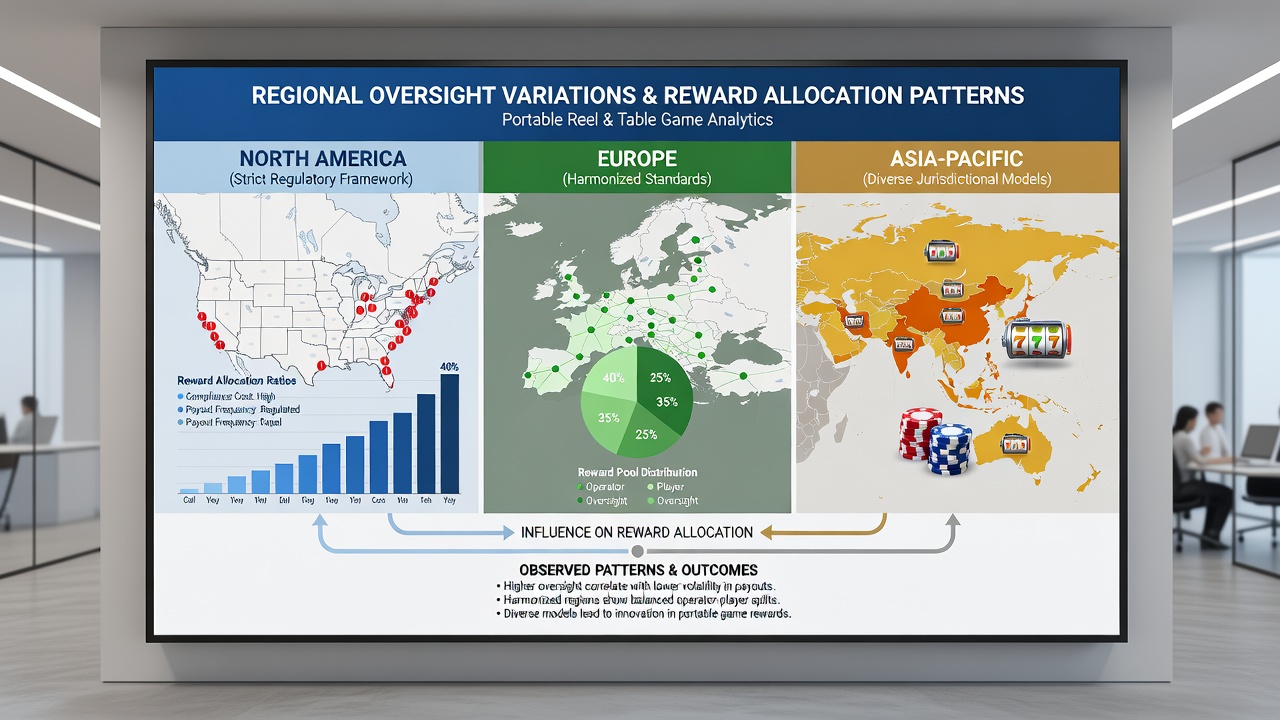
As of September 2026, several jurisdictions continue to refine their reporting requirements around reward transparency, creating additional layers that operators must navigate when deploying portable reel and table game incentives. These updates often require real-time tracking of bonus issuance rates, which in turn shapes the algorithms that determine when and to whom rewards are allocated. Operators respond by building modular systems capable of adjusting parameters such as maximum bonus amounts, eligibility windows, and game-type weighting based on the active regulatory environment.
Operational Adjustments by Game Category
Portable reel ecosystems tend to experience more frequent adjustments because many regulators treat slot-style games as higher-risk products requiring stricter controls on promotional intensity. Table game platforms, however, often benefit from rules that permit broader use of skill-based reward tiers and comp systems. Data shows that operators frequently implement separate reward ledgers for each category to satisfy these divergent expectations without violating cross-jurisdictional requirements. This separation allows platforms to maintain compliance while still offering competitive incentives tailored to regional player preferences.
Conclusion
Regional oversight variations continue to drive measurable differences in how rewards are allocated within portable reel and table game ecosystems. Regulatory bodies establish the boundaries that determine bonus structures, redemption conditions, and promotional frequency, compelling operators to maintain flexible systems that adapt to each market. These patterns remain evident in the distinct approaches taken across North American states, European licensing regimes, and additional international jurisdictions, where each set of rules produces unique reward distribution outcomes for mobile gaming participants.